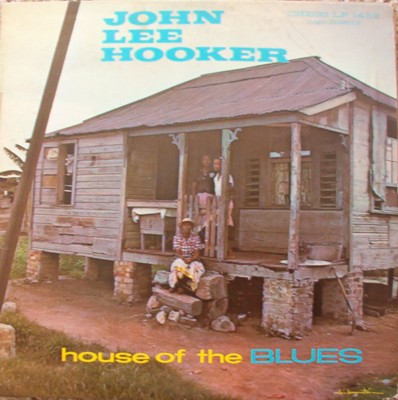
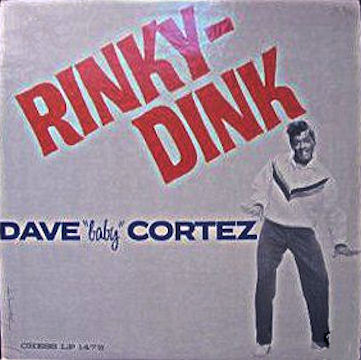
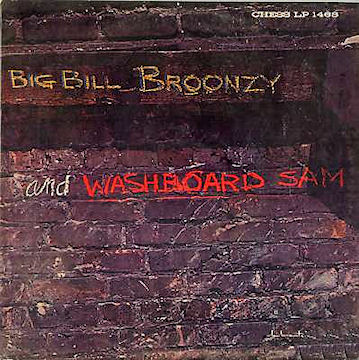
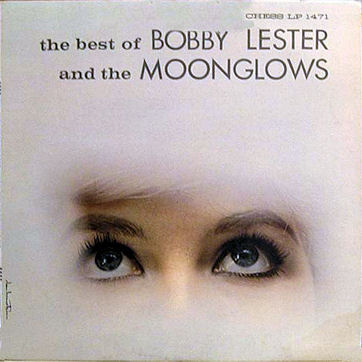
I have gone through the previous posts and reloaded all of the links. I hope this will benefit anybody who missed any. There's a 14th disc featuring interviews with Phil and Marshall Chess, if there's interest I can post it as well... enjoy!!!
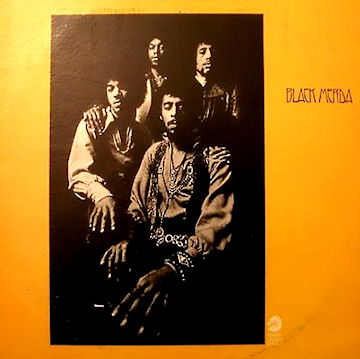
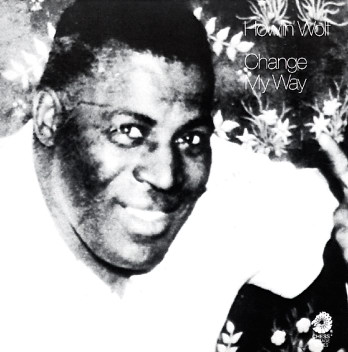
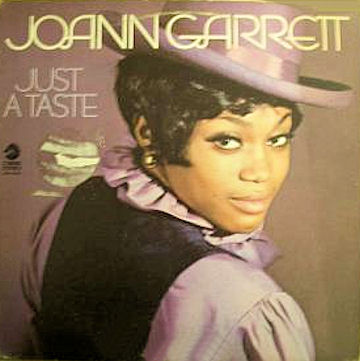


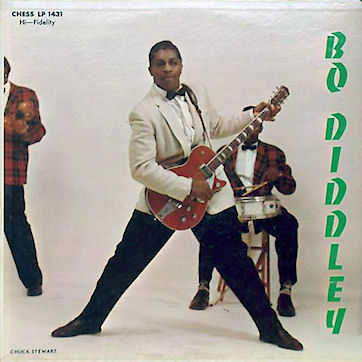
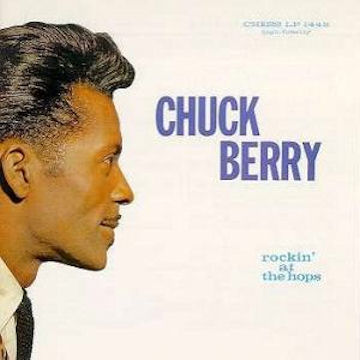


 |
| Female fans at a Little Walter store appearance. |


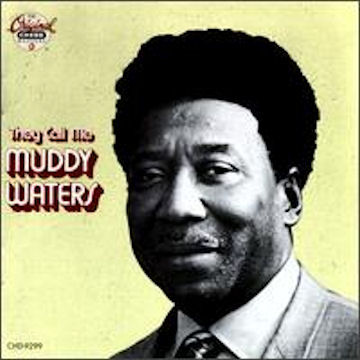
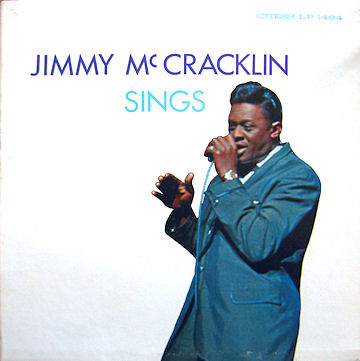
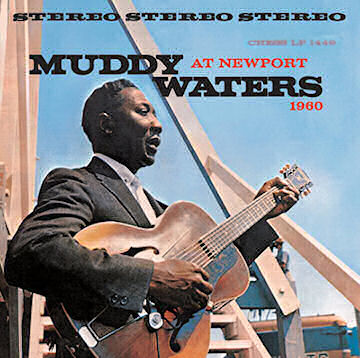
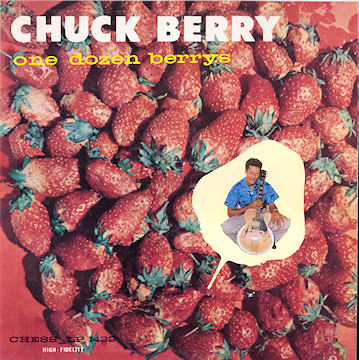
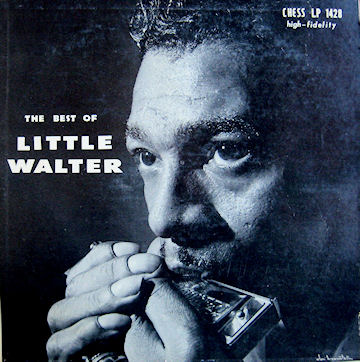
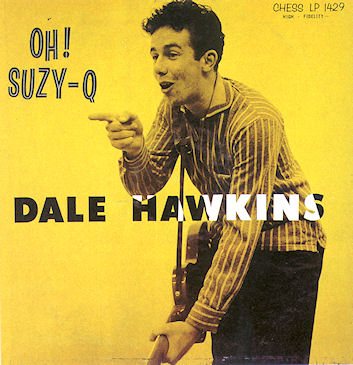
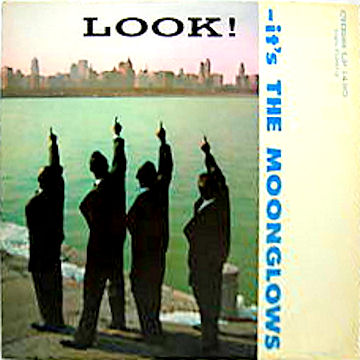
First the good news, which is really good: the sound on this 340-song set is about as good as one ever fantasized it could be, and that means it runs circles around any prior reissues; from the earliest Aristocrat sides by the Five Blazers and Jump Jackson & His Orchestra right up through Muddy Waters' "Going Down to Main Street," it doesn't get any better than this set. The clarity pays a lot of bonuses, beginning with the impression that it gives of various artists' instrumental prowess. In sharp contrast to the past efforts in this direction by MCA, however, the producers of this set have not emasculated the sound in the course of cleaning it up, as was the case with the Chuck Berry box, in particular. When the rock & roll era dawns at Chess as depicted on disc five, the sound is nice and dirty, just really sharp. The contents of the set are largely "limited" -- if that's the word for any 340-song collection -- to Chess' blues, R&B, rock & roll, and soul output, although Ramsey Lewis gets a nod, as does comedian Pigmeat Markham. What's more, the care lavished on the songs is virtually universal -- there was time spent getting all of it right. One wishes that the same could be said for one of the featured bonuses on this set, the CD-ROM that comprises the 15th disc (disc 14 is a pair of interviews with Phil Chess and Marshall Chess). First, there are the skimpy film clips, misspellings ("Arether Franklin") and incorrect dates. There also would have been enough room to put a complete Chess discography on the CD-ROM, rather than just the MCA reissues of Chess' material. The CDs themselves conveniently assembled in three fold-out volumes in a slipcase, but identifying individual tracks and artists means constantly referring back to the booklets glued into those volumes; additionally, it would've been nice to have had a sessionography on the songs, or at least the release dates, or even release years. This set is available only as a British import as of the spring of 2000; it is unbeatable for sound, and should be considered on that -- but only on that -- basis. - Bruce Eder/AMG

 Fontella continued touring with her mother until the age of sixteen. As a teenager, Bass was attracted by more secular music. She began singing R&B songs at local contests and fairs while attending Soldan High School where she graduated from in 1958. At seventeen, she started her professional career working at the Showboat Club near Chain of Rocks, Missouri. In 1961, she auditioned on a dare for the Leon Claxton carnival show and was hired to play piano and sing in the chorus for two weeks, making $175 per week for the two weeks it was in town. She wanted to go on tour with Claxton but her mother refused and according to Bass "... she literally dragged me off the train". It was during this brief stint with Claxton that she was heard by vocalist Little Milton and his bandleader Oliver Sain who hired her to back Little Milton on piano for concerts and recording.


 Bass followed with "Recovery," which did moderately well, peaking at #13 (R&B) and #37 (pop) in early 1966. The same year brought two more R&B hits, "I Can't Rest" (backed with "I Surrender)" and "You'll Never Know." Her only album with Chess Records, The New Look, sold reasonably well, but Bass soon became disillusioned with Chess and decided to leave the label after only two years, in 1967. Bass claimed that, although the credited co-writers Carl Smith and Raynard Miner, and record producer Billy Davis, had assured her that her contribution to co-writing the lyrics of "Rescue Me" would be acknowledged, this was never done.
 The next few years found Bass at a number of different labels, but saw no notable successes. After her second album, Free, flopped in 1972, Bass retired from music and concentrated on raising a family (she has four children with Bowie). She returned occasionally, being featured as a background vocalist on several recordings, including those by Bowie. In 1990 she recorded a gospel album with her mother and brother David Peaston, called Promises: A Family Portrait of Faith and undertook a fall tour of the US West Coast, called "Juke Joints and Jubilee", which featured both traditional gospel and blues performers. During the 1990s she hosted a short-lived Chicago radio talk show, released several gospel records on independent labels; through old friend Hamiet Bluiett, she was invited to perform three tracks on the World Saxophone Quartet album Breath of Life.
 Dolphin first entered the music business
as a retailer where in 1948, when he opened Dolphin’s of Hollywood, a
record store on Vernon Avenue that would stay open 24 hours a day to
cater to the
Dolphin first entered the music business
as a retailer where in 1948, when he opened Dolphin’s of Hollywood, a
record store on Vernon Avenue that would stay open 24 hours a day to
cater to the 

 Dolphin’s of Hollywood, located in the
South Central/Watts area of Los Angeles, on East Vernon Ave, near the
corner of Central Ave., was given this name because Mr. John Dolphin
initially wanted to open his store in Hollywood. However, Blacks were
not allowed to own and operate businesses in Hollywood in the 1940s. So,
John Dolphin thought up the next best thing, he would call his South
Central store Dolphin’s of Hollywood. This was how he brought Hollywood
to the hood and this record shop would soon become the most famous
record shop in America, but also, its radio show on KRKD became the most
popular black radio show in America. In fact, recording artists from
all over would
Dolphin’s of Hollywood, located in the
South Central/Watts area of Los Angeles, on East Vernon Ave, near the
corner of Central Ave., was given this name because Mr. John Dolphin
initially wanted to open his store in Hollywood. However, Blacks were
not allowed to own and operate businesses in Hollywood in the 1940s. So,
John Dolphin thought up the next best thing, he would call his South
Central store Dolphin’s of Hollywood. This was how he brought Hollywood
to the hood and this record shop would soon become the most famous
record shop in America, but also, its radio show on KRKD became the most
popular black radio show in America. In fact, recording artists from
all over would
 appear at the store and perform live-on-air interviews,
while greeting and signing autographs for the customers. These
well-known artists included Billie Holiday, Lionel Hampton, Sarah
Vaughan, Little Richard, James Brown “the Godfather of Soul”, Sam Cooke,
Marvin Gaye, Quincy Jones, B.B. King, Aretha Franklin, Etta James, Ike
and Tina Turner, Fifth Dimension, Solomon Burke just to name a few. Open
24 hours a day, even on Sundays, customers could come at all hours of
the day and capitalize on the “Buy One Get One Free” special, while
hundreds would dance the Saturday nights away in front of the store, to
the deejay’s tunes.
appear at the store and perform live-on-air interviews,
while greeting and signing autographs for the customers. These
well-known artists included Billie Holiday, Lionel Hampton, Sarah
Vaughan, Little Richard, James Brown “the Godfather of Soul”, Sam Cooke,
Marvin Gaye, Quincy Jones, B.B. King, Aretha Franklin, Etta James, Ike
and Tina Turner, Fifth Dimension, Solomon Burke just to name a few. Open
24 hours a day, even on Sundays, customers could come at all hours of
the day and capitalize on the “Buy One Get One Free” special, while
hundreds would dance the Saturday nights away in front of the store, to
the deejay’s tunes. John Dolphin not only brought Hollywood
to the hood, but he also brought fame to many underserved, talented,
black artists whom had been hidden behind the facade of Crossover music.
This Crossover Music concept was essentially taking music originally
recorded by African Americans and having white artists re-record it, as
during this time, most black music was considered taboo and hard to sell
to the masses. So John, hiring one of the most famous white deejay of
the time, DJ Dick “Huggy Boy” Hugg, drew white teenagers and young
adults to Dolphin’s of Hollywood in ever increasing numbers. And these
crowds would buy black music, learning the lyrics and tunes, and share
them with their friends; bringing fame to musicians whose music had
previously been stolen from them without regard.
John Dolphin not only brought Hollywood
to the hood, but he also brought fame to many underserved, talented,
black artists whom had been hidden behind the facade of Crossover music.
This Crossover Music concept was essentially taking music originally
recorded by African Americans and having white artists re-record it, as
during this time, most black music was considered taboo and hard to sell
to the masses. So John, hiring one of the most famous white deejay of
the time, DJ Dick “Huggy Boy” Hugg, drew white teenagers and young
adults to Dolphin’s of Hollywood in ever increasing numbers. And these
crowds would buy black music, learning the lyrics and tunes, and share
them with their friends; bringing fame to musicians whose music had
previously been stolen from them without regard.
 Later on, a pair of additional labels,
Money and Cash, soon took Lucky’s place. Money was the more successful
of the two, notching local smashes including Ernie Freeman’s “Jivin’
Around,” Johnny Fuller’s “Mean Old World,” and Don Julian & the
Meadowlarks’ “The Jerk”, which sold about 2 million records and topped
the billboard Pop and R&B charts at #1 in the U.S. and also went on
to become a #1 hit in Great Britain.
Later on, a pair of additional labels,
Money and Cash, soon took Lucky’s place. Money was the more successful
of the two, notching local smashes including Ernie Freeman’s “Jivin’
Around,” Johnny Fuller’s “Mean Old World,” and Don Julian & the
Meadowlarks’ “The Jerk”, which sold about 2 million records and topped
the billboard Pop and R&B charts at #1 in the U.S. and also went on
to become a #1 hit in Great Britain.
 After an influential ten years in the
music business, on February 2, 1958, Percy Ivy, a disgruntled songwriter
whom had recorded with John, went to John Dolphin’s Hollywood office to
demand money for his un-noteworthy recordings. John made these
recordings as a favor to Ivy but had no intention of ever using any of
them. His generosity should have been enough for Percy and no money
should have been owed. However, Ivy thought otherwise. With a gun in his
pocket and demands on his mind, Percy shot John Dolphin dead behind the
desk of his office. Two young people, future session drummer Sandy
Nelson and later-day Beach Boy, Bruce Johnston; both of whom traveled to
South Central in the hopes of enticing John with their songs, witnessed
the murder. This was a devastating day for all those who would come to
know and later remember Lovin’ John. After the untimely death of Mr. Dolphin,
Dolphin’s of Hollywood was run by Dolphin’s assistant, Rudy Ray Moore,
also known as Dolemite, along with John’s widow, Ruth Dolphin. Ruth
would later reactivate Money Records, which served as a springboard for
the great soul chanteuse Bettye Swann and her 1967 smash hit single,
“Make Me Yours” which became a #1 Billboard hit for Money Record."
After an influential ten years in the
music business, on February 2, 1958, Percy Ivy, a disgruntled songwriter
whom had recorded with John, went to John Dolphin’s Hollywood office to
demand money for his un-noteworthy recordings. John made these
recordings as a favor to Ivy but had no intention of ever using any of
them. His generosity should have been enough for Percy and no money
should have been owed. However, Ivy thought otherwise. With a gun in his
pocket and demands on his mind, Percy shot John Dolphin dead behind the
desk of his office. Two young people, future session drummer Sandy
Nelson and later-day Beach Boy, Bruce Johnston; both of whom traveled to
South Central in the hopes of enticing John with their songs, witnessed
the murder. This was a devastating day for all those who would come to
know and later remember Lovin’ John. After the untimely death of Mr. Dolphin,
Dolphin’s of Hollywood was run by Dolphin’s assistant, Rudy Ray Moore,
also known as Dolemite, along with John’s widow, Ruth Dolphin. Ruth
would later reactivate Money Records, which served as a springboard for
the great soul chanteuse Bettye Swann and her 1967 smash hit single,
“Make Me Yours” which became a #1 Billboard hit for Money Record."